Ciara Palfreyman
As consumer appetite for efficacy-led skincare continues to grow, dermocosmetics have become a new engine for beauty growth - driving the opportunity to bridge cosmetic innovation with dermatological insight.
The latest THG LABS Dermocosmetics Trend Report explores how shifting consumer behaviours, regulatory scrutiny and life-stage conversations - from menopause to GLP-1 usage - are fundamentally influencing product development.
THG LABS is a science-led, full-service personal care manufacturer partnering world-leading brands to create award-winning skincare, haircare and suncare products that perform beautifully, feel exceptional and consistently earn their place in everyday routines. Underpinned by in-house regulatory expertise, rigorous testing frameworks and advanced manufacturing capability, they ensure every innovation stands up commercially as well as scientifically.
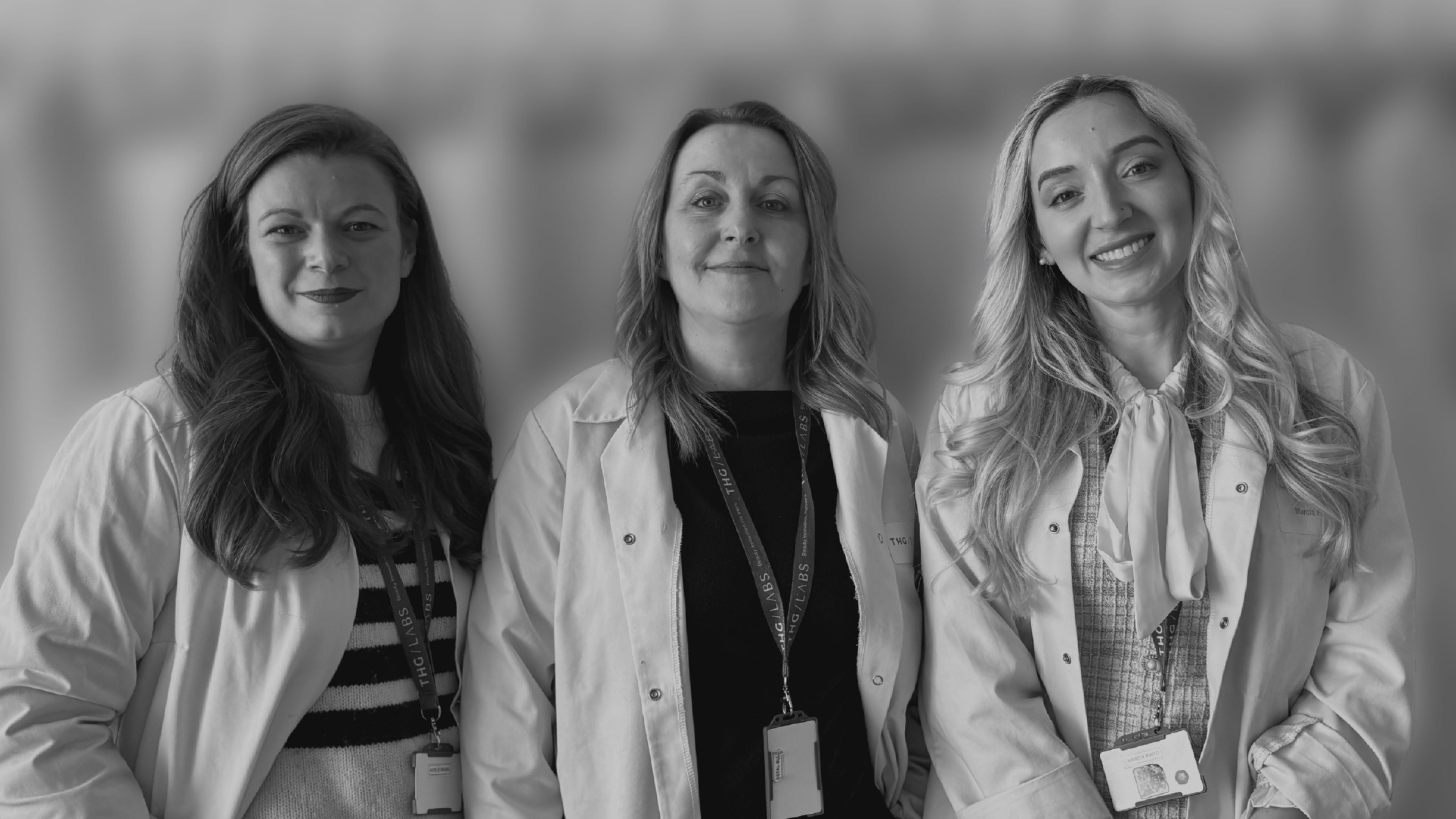
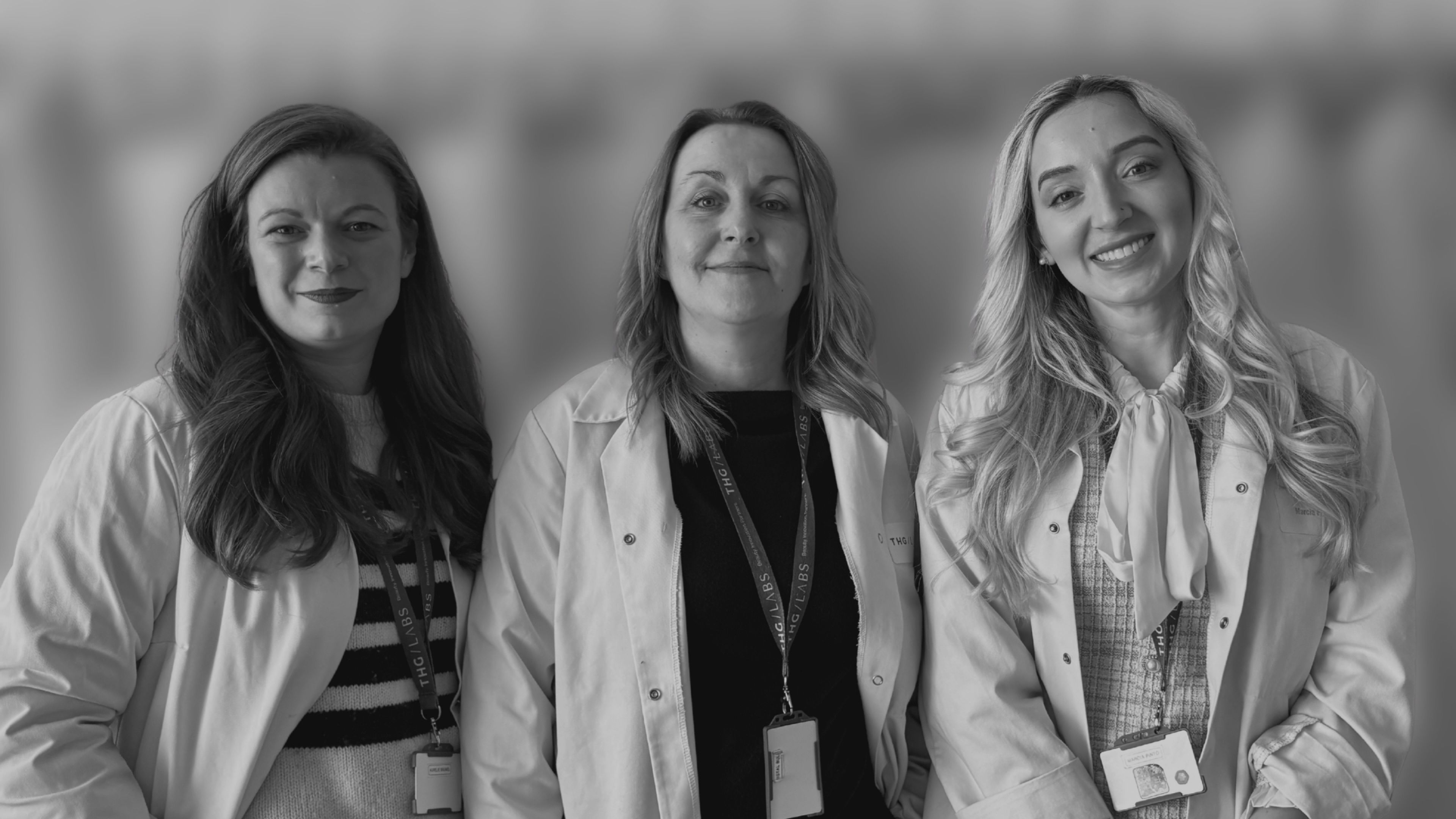
In this Q&A with the THG LABS Product Innovation Team, we speak to Kristal Goodman, Head of Product Innovation, Aurelie Brunel, Product Innovation Manager, and Chemist Marcia Pinto about the latest innovations in this category.
We asked the team to unpack what’s driving the move from “promising results” to “proving results,” why scalp and body are demanding face-level sophistication, and how brands can balance substantiation, sensory experience and long-term skin health in an increasingly evidence-led market.
What does the trend report reveal about how consumer expectations are evolving in this space?
Consumer expectations are shifting from “promising results” to “proving results.” Rather than aspirational claims, people are increasingly seeking science-led products that feel credible, tolerable and fit into real life routines.
We’re also seeing a stronger demand for clarity: what the product is for, who it is for, how long it takes to see a difference, and what “good” looks like on different skin tones, ages, barrier states and life stages.
At the same time, dermocosmetics is becoming more culturally embedded. Consumers are comfortable self-selecting products based on education from creators, communities and pharmacy-style cues like clinical language, ingredient transparency, and sensorial signals that communicate “serious skincare.” That increases expectations around safety, suitability for repeat use, and consistency across batches, which is where robust development and manufacturing capability becomes a differentiator.
From an innovation perspective, which trend in the report feels most disruptive for the next few years?
The most disruptive trend is the expansion of dermocosmetics beyond “face-first” skincare into a whole-body view of skin health. "Scalp, body, hands and intimate skin are now being treated with face-level sophistication, and the innovation opportunity sits in translating dermatology-adjacent principles into formats people will use daily.
This is disruptive because it changes the development brief. It is no longer enough to chase one hero ingredient. We need systems thinking: delivery, tolerance, barrier support, sensorial design, and long-term usability, alongside the evidence package needed to support claims in a more scrutinised environment.
How do you balance speed to market with the rigorous testing and validation dermocosmetic products require?
The fastest way to market is building the right testing plan early, aligned to the intended claims, target users and likely sensitivities. That means de-risking from the start: smart ingredient selection, compatibility work, stability, microbiological robustness, and early-stage tolerance screening before we scale.
We also design development in parallel rather than in a straight line. While the formula is being optimised, we can progress packaging compatibility, manufacturing feasibility, and regulatory assessment so the project does not stall later. The goal is predictable timelines, fewer surprises, and a product that performs reliably in the real world.
The report highlights seismic shifts in beauty, from the knock-on effects of GLP-1s, to menopause entering the mainstream, and inclusivity becoming non-negotiable. How are these shifts fundamentally changing what product innovation looks like today?
These shifts are changing product innovation in three ways: who we formulate for, what “efficacy” means, and how we evidence performance.
First, we are designing for changing physiology and lived experience. Menopause is driving more candid, needs-led development around dryness, sensitivity, barrier disruption, itch, flushing and textural change. GLP-1 usage is creating new conversations around appearance-linked concerns, including changes in facial volume, skin texture and perceived “tiredness,” which pushes innovation toward barrier support, comfort, and visible skin quality rather than aggressive actives alone.
Second, inclusivity is moving from shade range thinking into biological and practical inclusivity. We need products that are suitable across skin tones, ages, hormonal stages, and conditions, plus formats that work for different routines, sensitivities and preferences. That forces better testing design, more representative panels, and clearer product education.
When 40% of Gen X and Millennials are buying dermocosmetics without medical consultation, how is this shift changing the role of dermocosmetics as the category moves from clinical to cultural?
It raises the bar on product behaviour. If more consumers are self-selecting dermocosmetic products, formulations must be robust to variation in use, layering, and barrier states. People may combine products, overuse actives, or apply them during periods of stress, seasonal change, or after procedures. That makes predictability, tolerance and clear instructions central to innovation.
It also means brands have to earn trust in a different way. Consumers are looking for signals of credibility, but they also want approachability. Once only "prescribed" by professionals, dermocosmetics are now being chosen, discussed, and reviewed in public spaces. Innovation in this space includes how we communicate appropriate use, what to expect, and how to build routines safely as opposed to a run-down of what's inside the formula.
With increasing regulatory scrutiny, how does compliance influence innovation rather than limit it?
In dermocosmetics, compliance is a design constraint that sharpens innovation. When you work within well-defined boundaries, you are pushed to be more precise: clearer claims, stronger substantiation, better safety logic, and more disciplined development decisions. That tends to create higher quality products and fewer market risks.
Regulatory thinking also encourages more robust evidence strategies. Instead of leaning on broad language, we can design targeted consumer studies, instrumental testing, and well-framed claims that reflect what the product genuinely does. That approach protects brands and improves consumer trust, which is essential as the category becomes more mainstream.
How do you see the shift from prevention to longevity shaping future product innovation?
Longevity reframes product performance as “supporting skin over time” rather than short-term transformation. That elevates the importance of barrier integrity, resilience, and daily tolerability. It also encourages innovation that respects long-term use, including cumulative exposure, seasonal shifts, and life-stage changes.
From an NPD standpoint, this pushes us toward multi-functional systems: actives combined with barrier-supporting bases, optimised delivery, and sensorial profiles that encourage consistent use. We've also seen longevity drive interest in scalp and body as part of overall skin health, which broadens the category and expands the innovation pipeline beyond facial skincare.
Bodycare and scalp-health are demanding more face-level treatment. How is this shift impacting product innovation?
It is changing the “starting point” of product briefs. Body and scalp are not simply larger surfaces for existing face formulas. They have different biology, exposure patterns, friction, sebum, microbiome dynamics, hair interactions, and user expectations for texture and application. Treating them with face-level sophistication means rethinking delivery systems, deposition, rinse-off versus leave-on strategies, and sensorial acceptance.
It also changes claims and testing. For scalp and body, we often need to demonstrate comfort, visible improvement and routine compatibility, while ensuring the product remains cosmetically elegant and easy to adopt. This is where formulation design and manufacturing capability really matter.
If you were advising a brand entering dermocosmetics now, what would be the single most important takeaway from this report?
Be clear on the job your product is doing and prove it in a way that stands up to scrutiny. Dermocosmetics is increasingly science-led, but it is also routine-led. The winners will be brands that combine credible evidence, exceptional tolerance, and a user experience that people will stick with for months, not weeks.
In practical terms, that means choosing a tightly defined consumer need, building the right substantiation plan early, and ensuring the formula behaves predictably across real-world use. If you get those fundamentals right, you can compete in a category that is moving fast without compromising trust.