Ciara Palfreyman
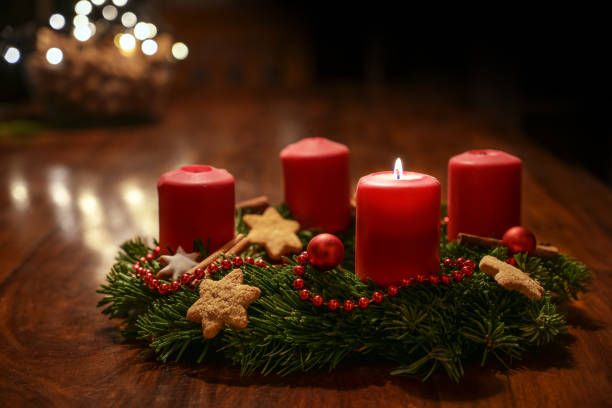
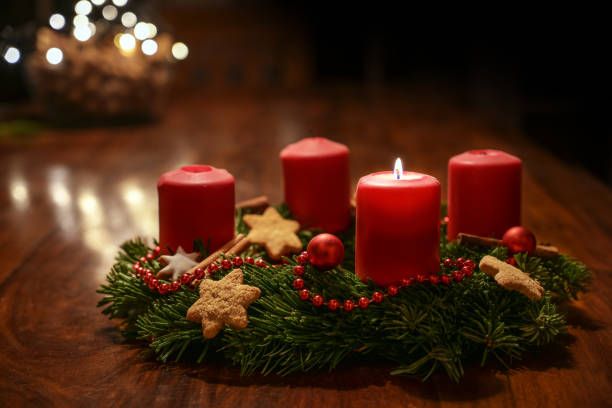
As December settles in, Radek, SEO Director & Multi-faith Network Lead, reflects on what Advent truly represents, why Christmas carries such lasting significance, and how customs from the UK and across Europe shape the warmth of the season.
As the year winds down and our offices start filling with twinkling lights, mince pies, and the occasional Christmas jumper that really leans into the season’s boldness, I find myself slowing down a little. Maybe you do too. December has this strange way of inviting us to pause - just enough to reflect on the deeper meaning behind all the colour, food, and celebration.
For me, that reflection naturally turns toward Advent and Christmas. And while these are profoundly meaningful within my Christian faith, their themes of hope, peace, and togetherness are things I believe anyone of any belief or background can appreciate.
What Is Advent?
Advent is the four-week stretch leading up to Christmas, and its name comes from the Latin adventus, meaning “arrival.” But it’s more than a countdown.
In the Christian tradition, Advent is a season of expectant waiting. It’s a deliberate slowing down to make room for hope.
Advent looks in two directions at once:
• Backwards, remembering the birth of Jesus - the long-awaited Messiah.
• Forwards, looking to the Christian belief in Christ’s return and the renewal of all things.
In many ways, Advent teaches something universally human: how to wait well.
How to hold onto hope even when life feels busy, uncertain, or overwhelming.
What Christmas Celebrates
Then comes Christmas - the joyful celebration at the heart of it all.
For Christians, Christmas is the moment God stepped into the world in the person of Jesus Christ. Not distant. Not abstract. But close, personal, and present. The birth of Jesus is seen as the beginning of a story that brings hope, peace, restoration, and ultimately, reconciliation.
Even for those who don’t celebrate it religiously, Christmas tends to highlight themes that resonate widely: generosity, compassion, peace, community, light shining in darkness.
It’s no surprise these find their way into our office conversations, charity projects, neighbourhood gatherings, and even the small kindnesses that seem to multiply in December.
Traditions from the UK & Across Europe
One of the things I love most about Christmas is how differently it’s celebrated across cultures - and how each tradition captures something meaningful.
Here in the UK, some of the classics include:
• Advent calendars (I admit - my favourite part of December)
• Christmas jumpers
• Carols by candlelight
• Mince pies and mulled wine
• Christmas crackers with paper crowns and questionable jokes
• The King’s Speech on Christmas Day
• Boxing Day walks to clear the head and make space for leftovers
These rituals make December feel communal and cosy - whether in the office, at home, or out in the community. In many European homes - especially Polish ones like mine - Christmas Eve is the real highlight.
Growing up, Christmas Eve (Wigilia) carried a sense of magic and reverence:
• We always set an extra place at the table for an unexpected guest.
• The meal was a labour of love - 12 meat-free dishes, including barszcz z uszkami, pierogi, carp, and sweet poppy-seed makowiec.
• Before eating, we shared the opłatek, a thin wafer broken together while offering blessings and forgiveness.
• And later, we bundled up for Midnight Mass, stepping into a candlelit church that seemed to hold the whole meaning of Christmas in a single moment.
These traditions remind me every year of what the season is about: hospitality, togetherness, gratitude, and hope.
A Season for Everyone
No matter how you celebrate - or even if you don’t celebrate at all - his season gives us a chance to take stock of what truly matters: kindness, connection, hope, and the possibility of peace.
For Christians, Christmas is the reminder that God came close - that Christ brought light into the world. For everyone, it can be a gentle nudge to slow down, breathe, and lean into the goodwill that seems to bloom each December.