Ciara Palfreyman
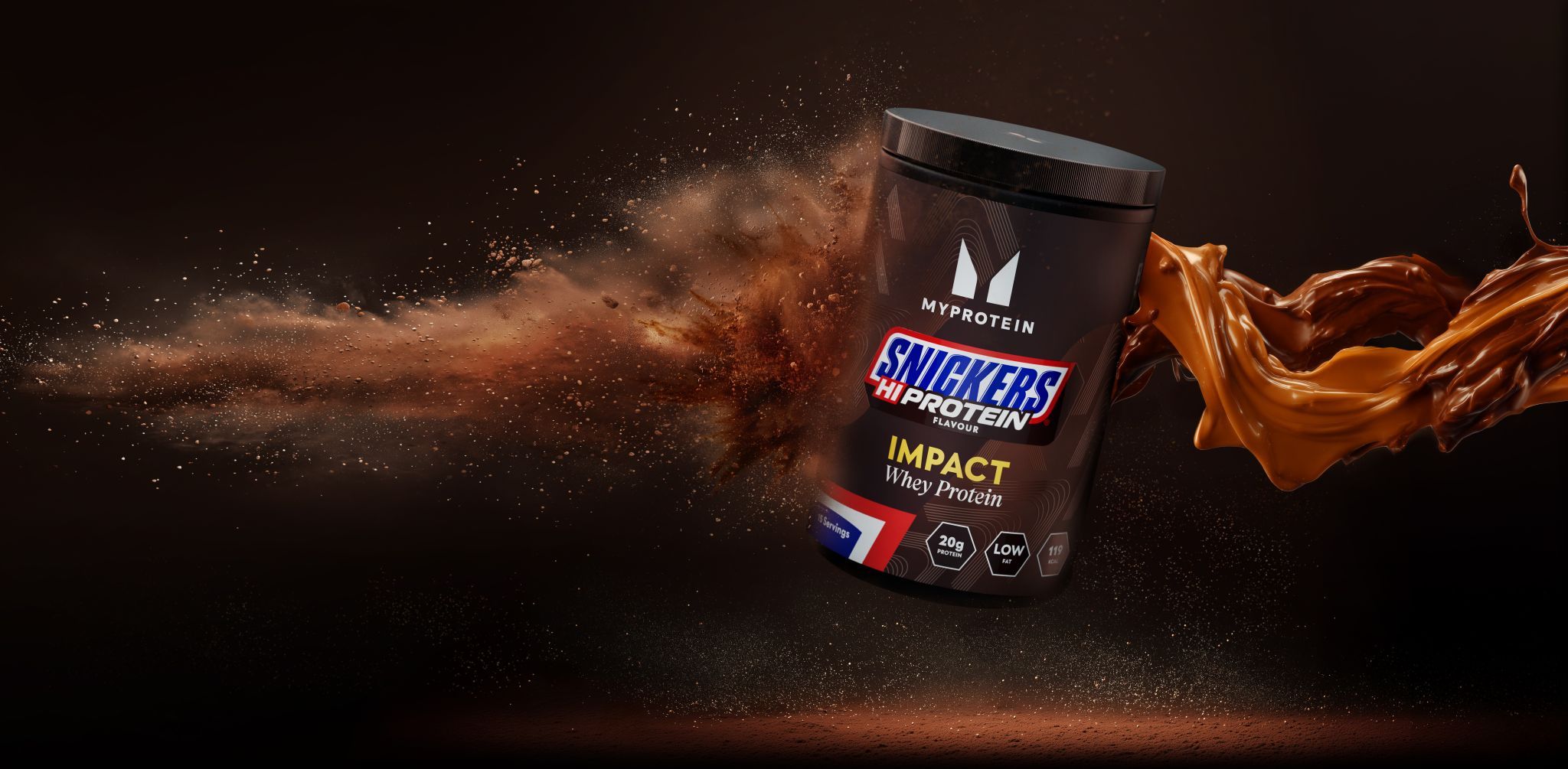
From iconic flavour collaborations to category-defining retail launches, licensing has become one of the most powerful tools in Myprotein’s growth strategy. What started as exploratory partnerships has since grown into collaborations with some of the world’s biggest household brands - helping move the brand beyond traditional sports nutrition and into mainstream culture, retail and everyday routines.
Celebrating 10 years at Myprotein this year, Gareth, Head of Global Licensing - has seen Myprotein’s partnership strategy evolve from early collaborations with brands like Vimto and Hotel Chocolat to major global partnerships with MARS®, Müller and HYROX. He shares how the brand has expanded into new categories, reached new audiences and strengthened its presence across global markets.
From early product innovation and flavour development through to major licensing partnerships with brands like Vimto, Mars and Müller, how would you describe the evolution of your role and Myprotein’s approach to licensing over the years?
My role has evolved from a purely technical NPD focus into a broader commercial and strategic function. Early on, it was about driving product innovation, expanding into new categories and formats, increasing launch frequency, and supporting international growth.
As I moved into Head of NPD, I took on responsibility for building and leading a team across multiple areas, including licensing, which was still a relatively new space for the business. I saw an opportunity to step outside of my core expertise and develop licensing into a dedicated function.
That started with earlier partnerships like Mike and Ike, Hotel Chocolat, Vimto, Hasbro and DC Warner, which were more exploratory. Since then, we’ve scaled that into a structured global programme, now managing over 15 partnerships and delivering multi million pounds in revenue.
A key part of that evolution has been using licensing to make our products more accessible to a broader, mass retail audience across multiple channels. It allows us to bring better, more functional options into everyday retail environments, while also accelerating into categories where we don’t have in house manufacturing capability.
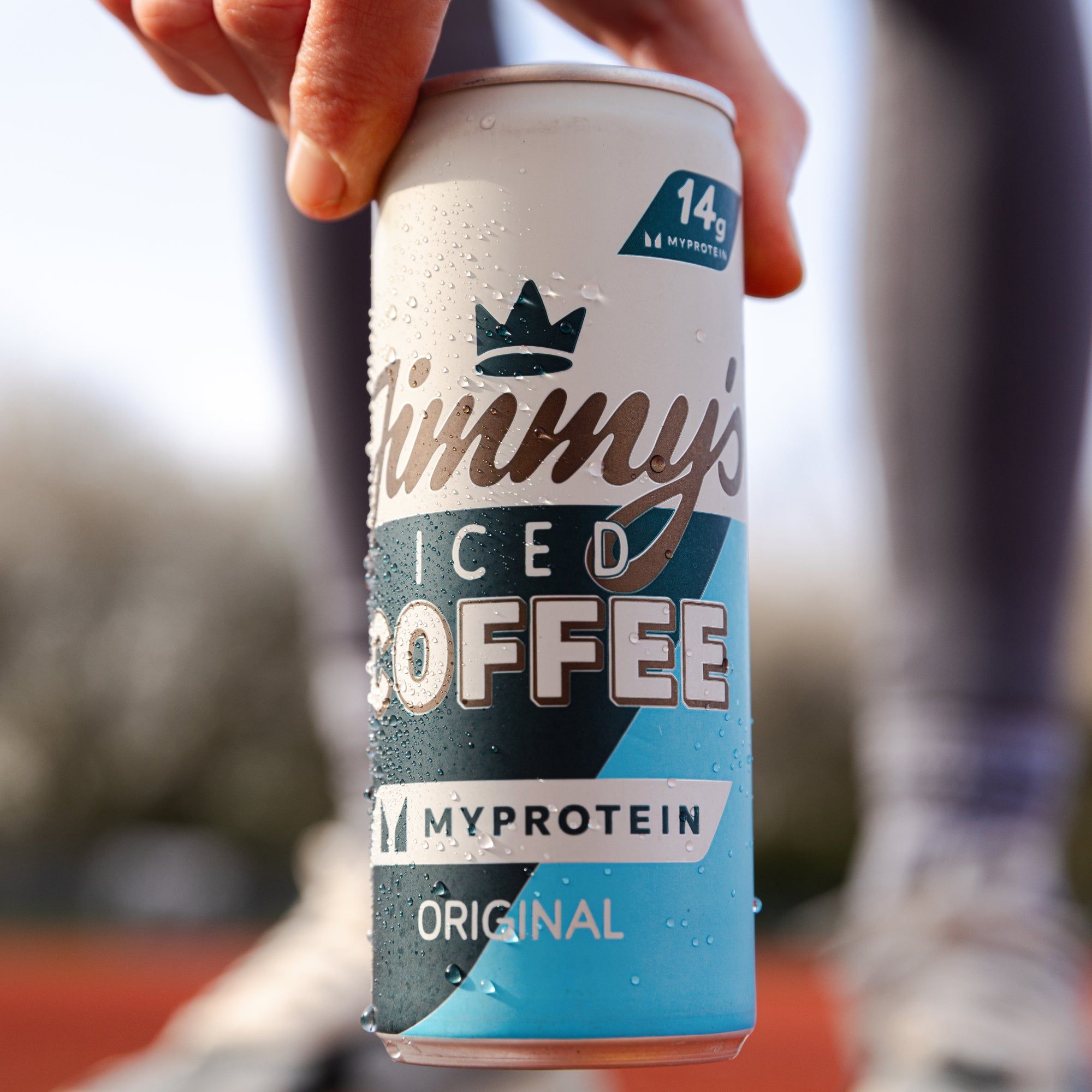
That’s where working with category experts becomes critical. Partners like Müller, Iceland, Jimmy’s Iced Coffee, Greencore, BakeAway and Kirsty’s bring deep expertise in their respective areas, whether that’s chilled, food to go, or ambient, which enables us to scale quickly and credibly in those spaces.
Overall, licensing has moved from being opportunistic to a genuine strategic growth lever, helping us expand reach, enter new categories, and build the brand beyond our core channels.
Alongside product innovation, the brand was also expanding globally - what did you learn from helping to grow the North America market?
The biggest learning was that a one size fits all approach does not work. Localisation is critical. The North American market is very different to the UK, both in terms of consumer expectations and competitive dynamics, and we are operating as a challenger brand within one of the most established and competitive segments of the category.
That required a shift in our model. Rather than taking a broad portfolio approach with thousands of SKUs, we focused on a tighter, more strategic range built around hero products that can act as gatekeepers for the brand, such as Clear Whey. Building recognition and equity in a smaller number of products is far more effective in a market like the US.
Supply chain and infrastructure also play a big role. The introduction of our Kentucky facility has been key in allowing us to service US customers much more quickly, while maintaining control over quality and innovation. It is relatively unique in the category to be as vertically integrated as we are, particularly in North America where many brands rely on third party manufacturing. That control allows us to develop products specifically for the market and move at pace.
Licensing has also been an important lever. In a retail environment where consumers and buyers often favour recognised brands, collaborations with partners like Mike and Ike, Jelly Belly, Marvel, HYROX, Tapatio and Southern Comfort help us stand out on shelf and build familiarity more quickly.
Overall, success in North America has been about adapting the model, focusing the portfolio, and using both infrastructure and partnerships to compete effectively in a very different market.
The recent Mars partnership marks one of Myprotein’s biggest launches to date-what does it take to secure a collaboration of that scale?
A partnership of that scale is a multi-year process, not a single deal. It starts with strategic alignment, ensuring both brands are clear on the role the collaboration plays in driving category growth, expanding into new audiences and scaling in retail.
From there, it’s about building trust and credibility. With a brand like MARS®, there is a high bar in terms of quality, brand protection and execution. You have to demonstrate that you can translate iconic flavours into performance nutrition while still delivering on taste, nutrition and regulatory standards.
There is also significant complexity behind the scenes across product development, supply chain, legal and commercial teams to ensure everything lands correctly across multiple markets and channels.
Strategically, partnerships like this allow us to make the brand more accessible, particularly in mainstream retail, by combining performance nutrition with globally recognised flavours. It reflects a broader shift in the category, where enjoyment and functionality are coming together, and where partnerships can drive scale in a way that standalone products often cannot.
What do you look for when collaborating with a new brand? How do you know if it will be the right fit for Myprotein?
We look at partnerships through a strategic lens, focusing on how they can elevate, validate and expand the brand into new categories, audiences and markets. Strong brand equity is a starting point, but it also needs to be complementary to Myprotein in terms of positioning and consumer perception.
Product fit is a key part of that. We operate across a broad portfolio including nutrition, apparel and accessories, so the partnership has to translate credibly into one or more of those areas. It is not just about putting a brand onto a product, it is about creating something that feels authentic and adds value within that category.
We also consider how the partnership helps us access new channels and make the brand more accessible to a wider audience, particularly in retail. Working with established brands can accelerate that, especially when they bring expertise in categories where we do not have in house capability.
Ultimately, the right partnerships are those that feel natural to the consumer, while driving both brand equity and commercial growth across multiple markets and channels
Myprotein has taken licencing to new spaces like HYROX - how important are these kinds of partnerships in building the brand beyond products?
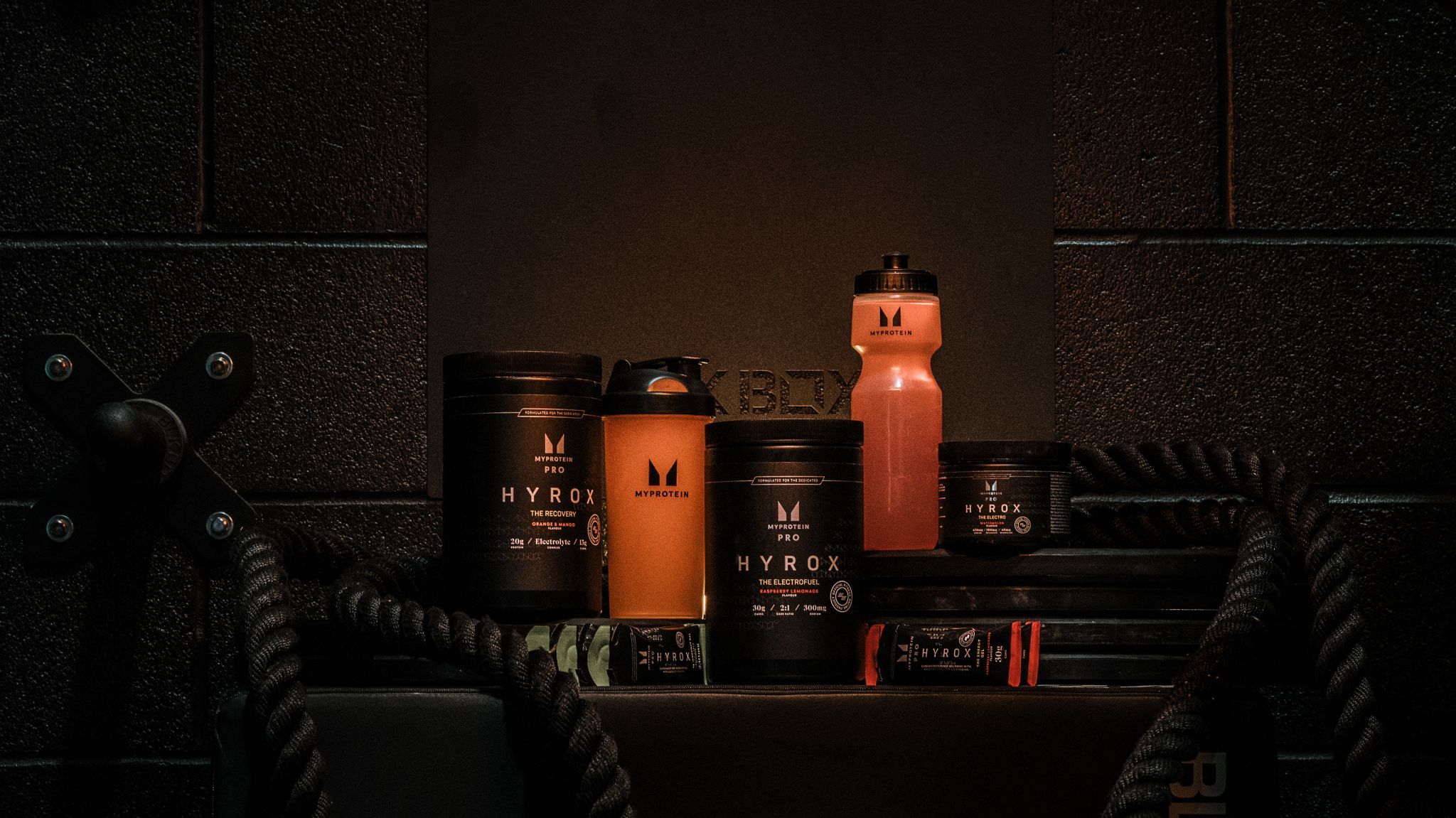
They’re a big part of where licensing is heading for us. HYROX is a good example because it goes beyond a traditional product collaboration. We’re the official global nutrition partner, so the brand shows up at events, within the community, and across the full training journey.
It’s about embedding Myprotein into a specific culture, not just putting products on shelf. You’re connecting directly with a highly engaged audience, developing products specifically for that use case, and building credibility through performance, and athletes, not just marketing.
Those types of partnerships help position the brand in a much broader way and create something more long term than a typical licensing deal.
As licensing continues to grow, where do you see the biggest opportunities for Myprotein?
There is still strong headroom in retail, particularly internationally, alongside opportunities in new retail adjacent categories and aisles that we are continually reviewing.
We have seen clear success over the past two to three years with partners like Iceland, Müller and Jimmy’s Iced Coffee, which has validated the model. The focus now is on replicating that across more categories, formats and markets.
A key part of this is strengthening the Myprotein masterbrand. We are now showing up across more aisles than any other sports nutrition brand, from dairy and chilled through to drinks, frozen, ambient and health and beauty. The role of licensing is to help solidify Myprotein as the protein brand that both retailers and consumers recognise for quality, trust and taste.
Internally, continuing to build the right infrastructure is critical, as licensing is now a core part of the commercial strategy, helping us scale into new occasions and audiences through partnerships with category experts.
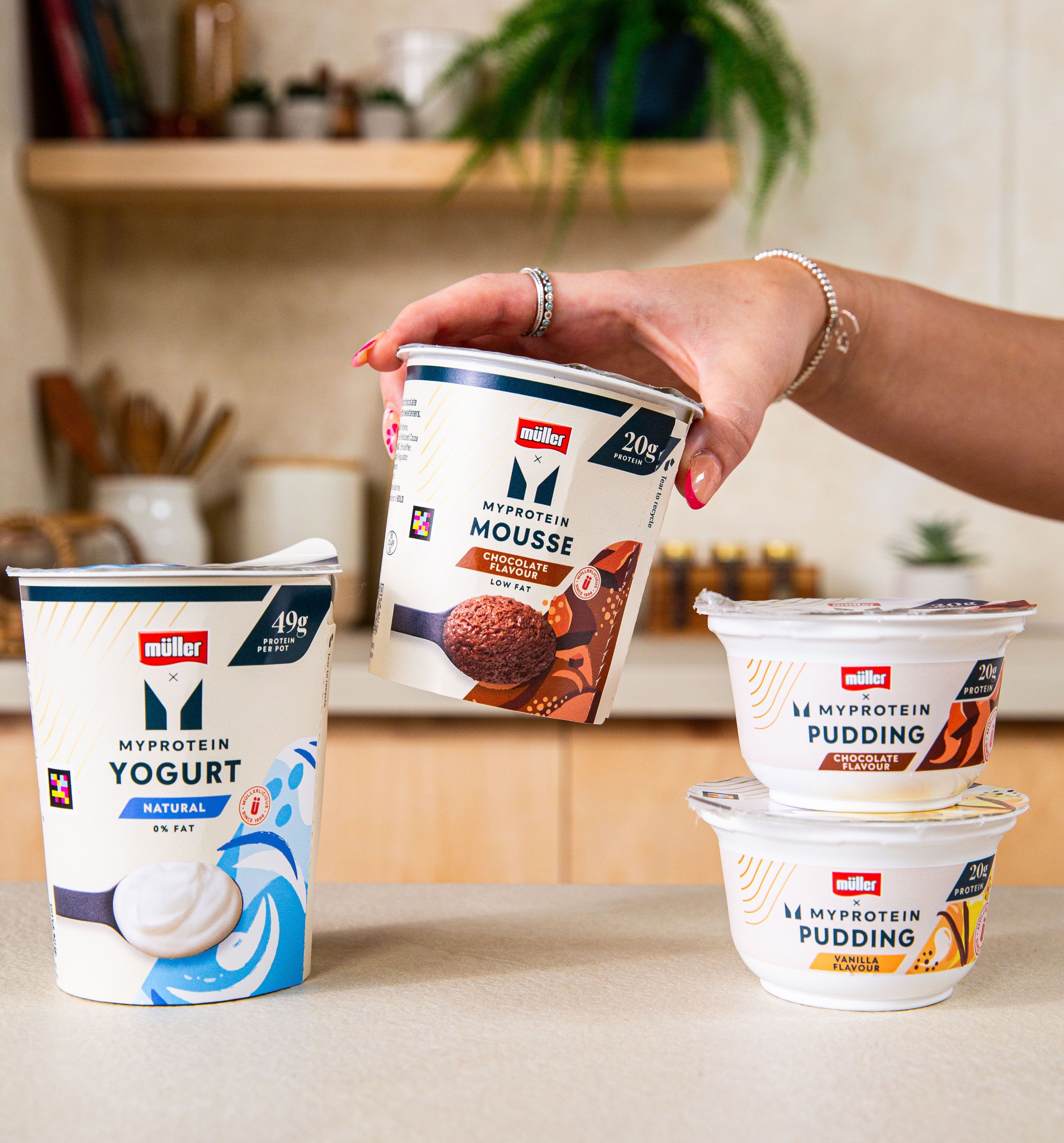
Which collaboration has been the highlight for you in your time at Myprotein so far?
Müller is probably the standout, as it brings together a lot of the themes that have shaped our approach to licensing.
There was strong strategic alignment from the outset, with both brands being category leaders, and a clear opportunity to tap into the growth of protein within chilled dairy. It also combined complementary strengths, Müller’s heritage in taste led dairy and Myprotein’s credibility in performance nutrition, which allowed us to create something genuinely differentiated.
From a commercial perspective, it felt like a real step forward. Within a relatively short period, significantly outperforming the wider category, and quickly establishing a leading position in protein desserts while driving a more incremental, often younger shopper into the category.
More recently, the launch of formats like Mixers, with 15g of protein per pot, shows how the partnership continues to evolve by combining strong nutritional credentials with genuinely enjoyable formats and flavours.
On a personal level, it is also one of those partnerships where the product really delivers, the focus on taste is clear, and it is something I genuinely buy into day to day. My fridge is usually full of them!